
Tanzania Safari Packages – Custom Trips by Local Experts
- Tailor-made itineraries
- Fast response within 24 hours
- Trusted local operator
Custom Trips by Local Experts
Custom itineraries | Fast response (24h) | Local experts | Luxury experience | Clear benefits
Tanzania Safari Tours in 2026–2027
Tanzania is home to some of Africa’s most celebrated national parks, making it an exceptional destination for families and travelers of all ages. Young visitors are often thrilled to encounter iconic wildlife up close for the very first time, while adults value the safety, comfort, and warm hospitality that accompany the journey. Most safari experiences are easy to enjoy and typically require little to no special preparation, allowing guests to simply relax and immerse themselves in the adventure.
Search for a safari tour
Tour Price (Per Person)
- Duration
- Comfort Level

Starting from
$3080
Per person
Discover More


Starting from
$2380
Per person
Discover More
Starting from
$3355
Per person
Discover More
Starting from
$1521
Per person
Discover More

Starting from
$2900
Per person
Discover More
Begin Your Tanzania Safari Here
Browse our Tanzania Safaris to see what appeals to you, or talk to someone
who knows these parks well. Share your ideas, and we’ll guide
you toward a trip that fits your needs.
Why Go On Safari In Tanzania
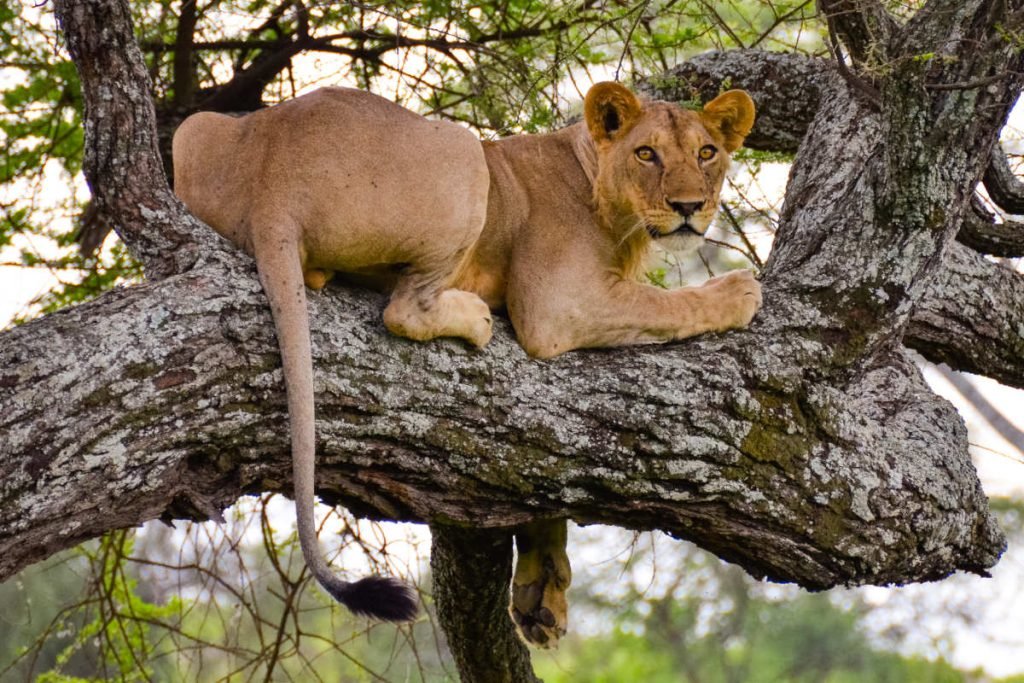
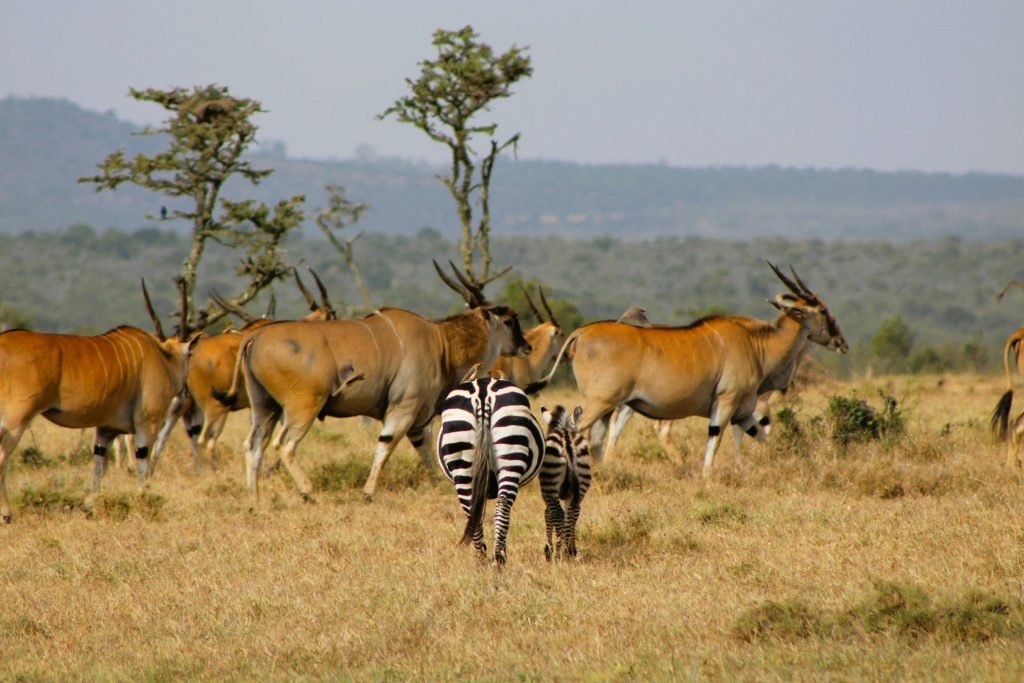
Tanzania is widely regarded as one of Africa’s premier wildlife destinations, with more than one-third of the country set aside as protected areas. The vast Serengeti Ecosystem alone supports over four million animals, making safaris in Tanzania remarkably reliable for wildlife viewing. From the spectacular Great Wildebeest Migration to frequent predator encounters, the country offers consistent safari experiences across a range of diverse landscapes and national parks.
Highlights
Home to Africa’s largest annual wildlife migration in the Serengeti ecosystem.
Strong populations of predators including Lion, Cheetah, and Rhinoceros across protected areas.
Multiple national parks allow reliable safari experiences even during the lush green seasons.
Long Rainy Season (April to May)
Heavy and continuous rainfall in many parts.
Roads can be muddy, and some lodges close temporarily.
Lush green landscapes, fewer tourists, and lower prices.
🌧️ Recommended only for seasoned travelers or those seeking budget trips.
Hot Season (Mid-December to March)
Warmer temperatures, especially along the coast (Dar es Salaam 30–32°C).
Best time to see the calving season in Southern Serengeti (Jan–Feb).
Rainfall: Sporadic, especially in March as the long rains approach.
🔥 A great time to explore beaches like Zanzibar or witness the Great Migration’s birthing season.
Short Rainy Season (November to mid-December)
Light afternoon showers, often lasting only an hour or two.
Landscapes turn green and beautiful.
Still a good time to travel as the parks are less crowded.
🌿 Perfect for photographers and those seeking peaceful travel experiences.
Dry Season (June to October
Best time for safaris – wildlife gathers around rivers and waterholes.
Temperatures: Mild and pleasant (25–30°C / 77–86°F).
Rainfall: Minimal – almost none in most parks.
Parks like Serengeti, Ruaha, and Nyerere are at their best.
🌟 Ideal for wildlife viewing and trekking Mount Kilimanjaro.
Best Time To Go
The national parks and private reserves are spread over an extensive habitat and climate range. The best wildlife viewing is in winter (May to September). However, the favorable summer climate (October to March) means most people visit at this time.
All parks(All parks, Dry Season), June-July and January-February (Serengeti)
July to March (northern circuit parks; can be crowded),
July to October (southern and western circuit parks; much quieter that northern circuit generally)
April and May (northern circuit parks still get quite bus, unlike the southern and western circuit parks, where some lodges close temporarily)
June to October (Dry Season with scarce rain)
March and April (Peak of Wet season – some roads inaccessible)
Start planning your unforgettable adventure today
Don’t have time to browse through safari options? Let us craft a custom itinerary tailored to your interests and travel style. Reach out to us, and we’ll recommend the best experiences for your trip.
Tanzania Travel FAQs
If you’re trying to make sense of a Tanzania Safari or wondering what a Kilimanjaro Climb actually feels like, these questions might help answer your thoughts.
If you want that wide-open safari feeling, like animals drifting across plains like the world isn’t rushing anywhere, the northern circuit is usually where the story begins. Serengeti, Ngorongoro, Tarangire, Lake Manyara… they hold the kind of scenes people imagine when they picture an Africa Safari Tanzania.
But the south and west have their own quieter pull. Ruaha, Nyerere, Gombe—those places feel a little rawer. A little more personal. You don’t see many vehicles; sometimes you don’t see anyone at all. It suits travelers who want stillness more than spectacle. And honestly, your route shifts based on the rhythm you prefer, the wildlife you hope to meet, and how you imagine your Tanzania African Safari unfolding.
Kilimanjaro gets most of the attention. But Tanzania has other mountains that quietly surprise people. Mount Meru sits inside Arusha National Park, and many hikers don’t expect how beautiful it turns out to be. Forested paths. Ridges that suddenly open into huge views. And far fewer crowds. Seasoned Kilimanjaro Guides often recommend it as a warm-up before tackling the big mountain.
If your trip centers around Mount Kilimanjaro Climbing, or if you want something challenging without the constant noise of a popular route, Meru fits naturally. It also blends well with nearby treks and cultural stops, especially for travelers who care about Sustainable Tourism Tanzania and want a more profound sense of place, not just a summit photo.
Yes, and they fit surprisingly well after days of dusty roads and long game drives. The Zanzibar Islands have this calming way of pulling you back into your body. Warm water, spice markets, dhows drifting slowly across the horizon—it becomes one of those simple, grounding Things To Do In Tanzania that tie the trip together.
A lot of travelers end their Tanzania Safari Tour with a stretch on the coast. It softens the transition back to everyday life. If you’re passing through the mainland a little longer, checking out a few Things To Do In Arusha or Things To Do In Moshi can also add small, memorable moments before the beach takes over.
There isn’t one clean answer. It depends on what you want from the trip. The dry months—June to October—tend to be clearer, easier for wildlife viewing, and often recommended as the Best Time To Visit Tanzania. If the Great Migration draws you in, then your timing shapes everything: June for the Western Corridor, July through September for the northern side of the Serengeti during peak Tanzania Safari Tours.
Green season is slower. Softer. Mornings feel gentle, and the parks stretch out without the usual crowd. Birders and photographers often fall in love with this time. Your choice might shift depending on your travel style, the weather you prefer, or how you’re thinking about the Tanzania Safari Cost. Tanzania doesn’t offer a single season—it offers moods, and each one feels different once you’re in it.
Start planning your unforgettable adventure today
Don’t have time to browse through safari options? Let us craft a custom itinerary tailored to your interests and travel style. Reach out to us, and we’ll recommend the best experiences for your trip.